






Frequently Asked Questions
Common signs include frequently asking people to repeat themselves, difficulty following conversations in noisy places, or needing to increase the volume on devices.
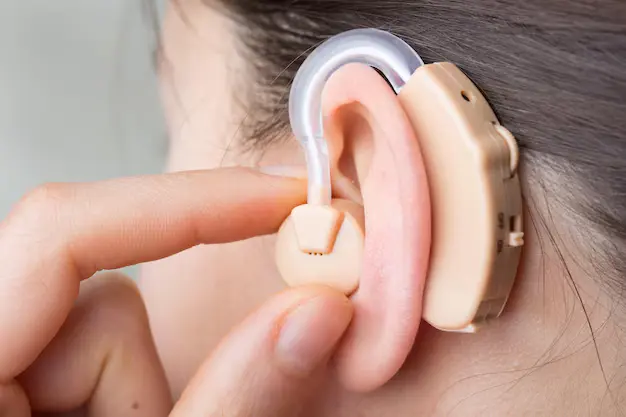
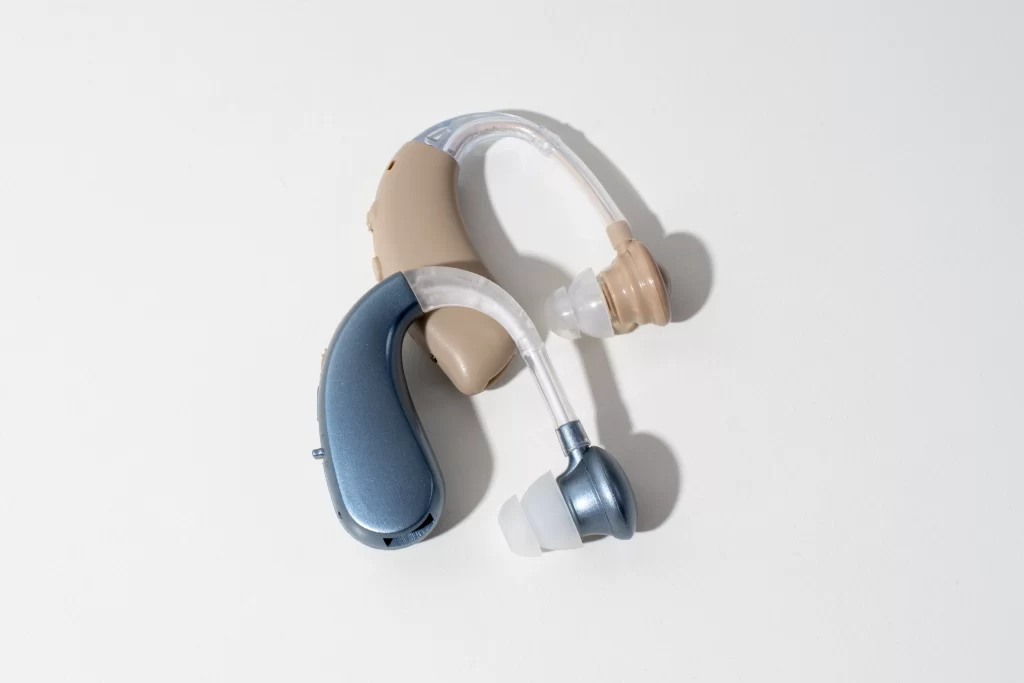
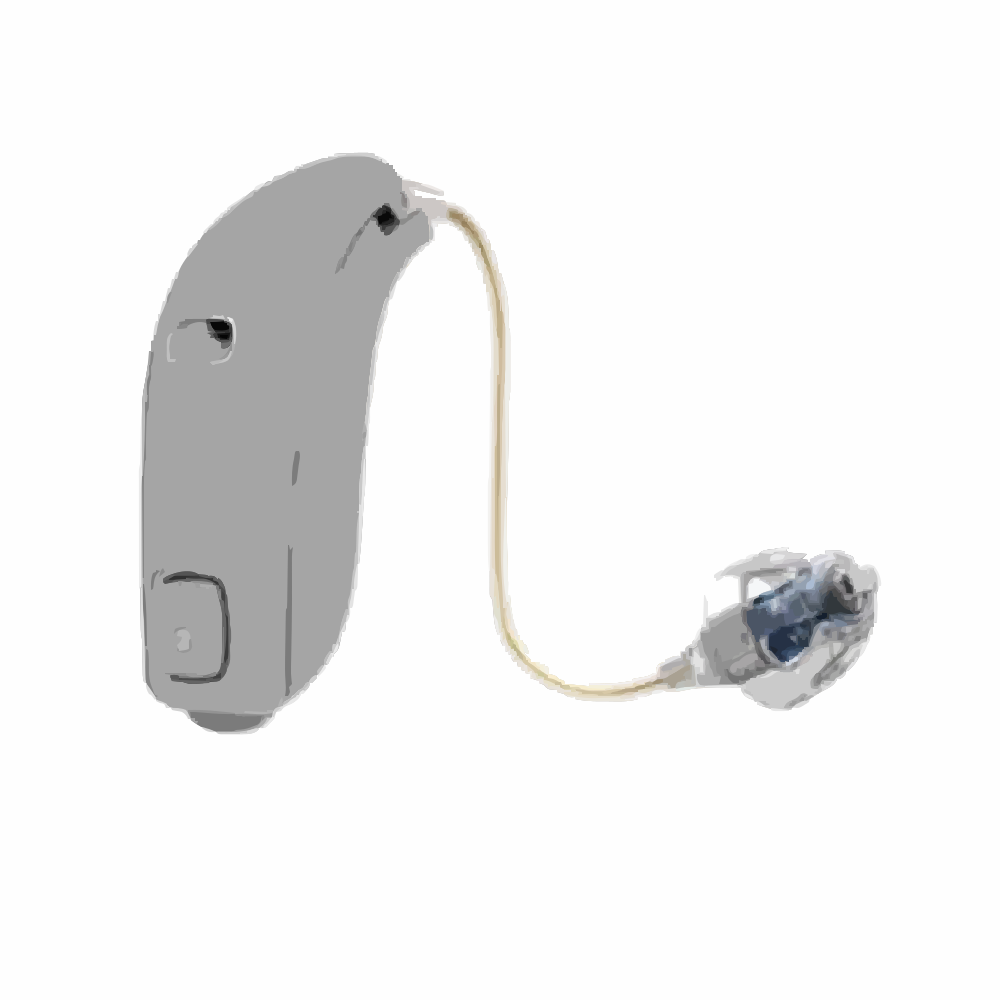
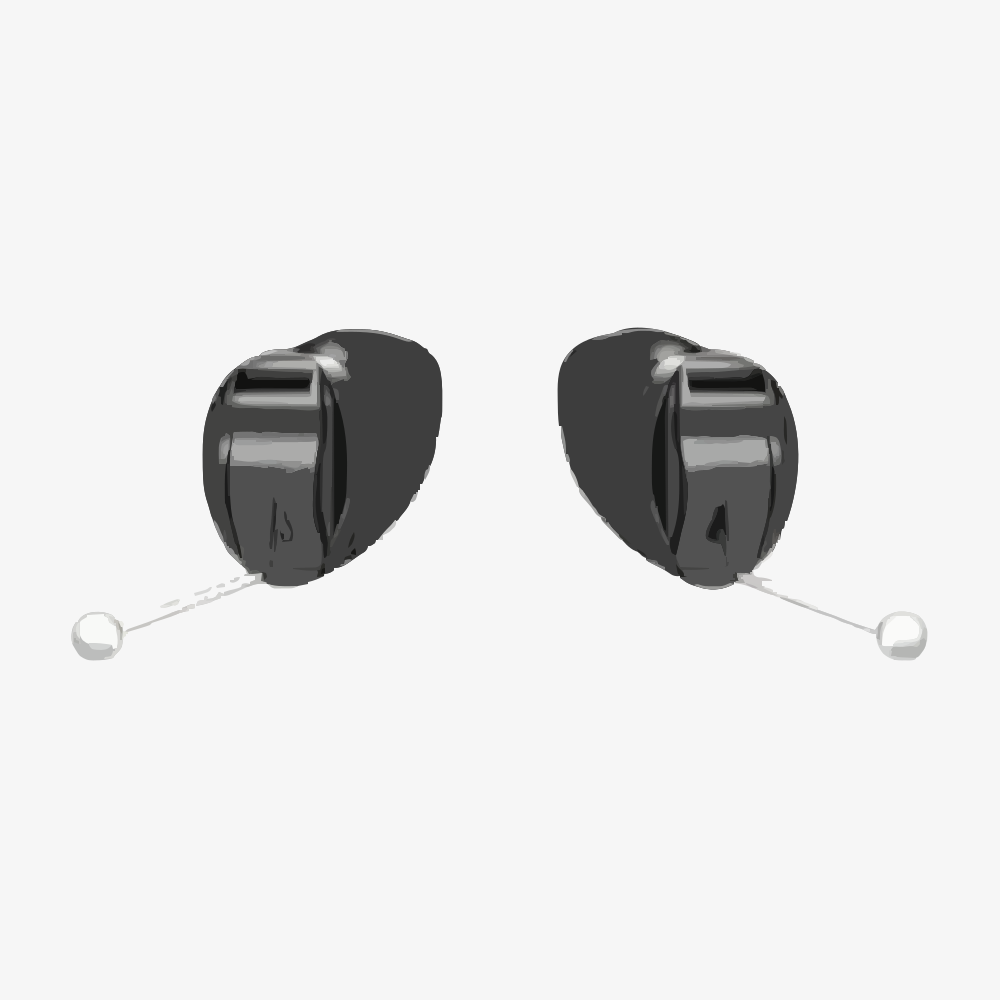
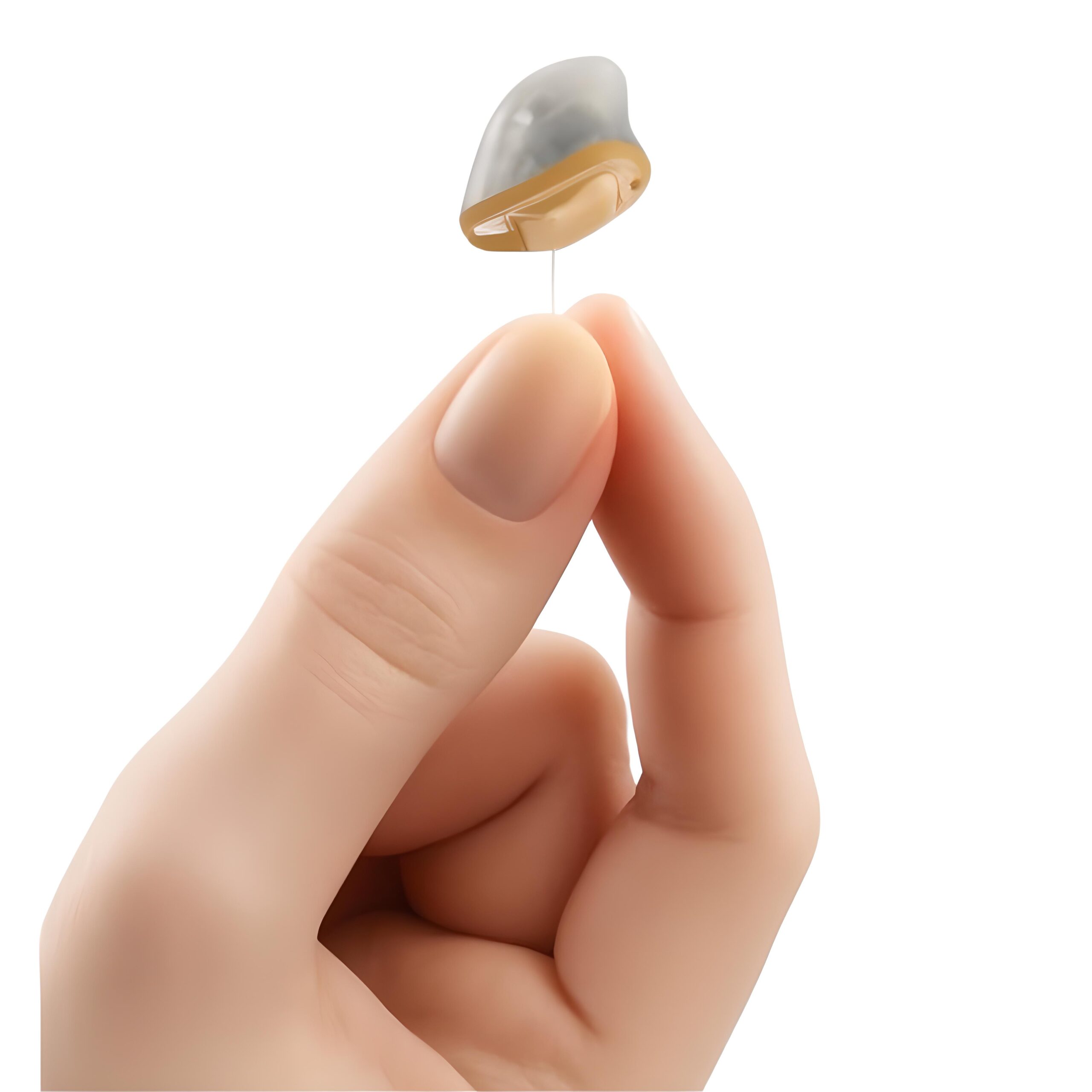
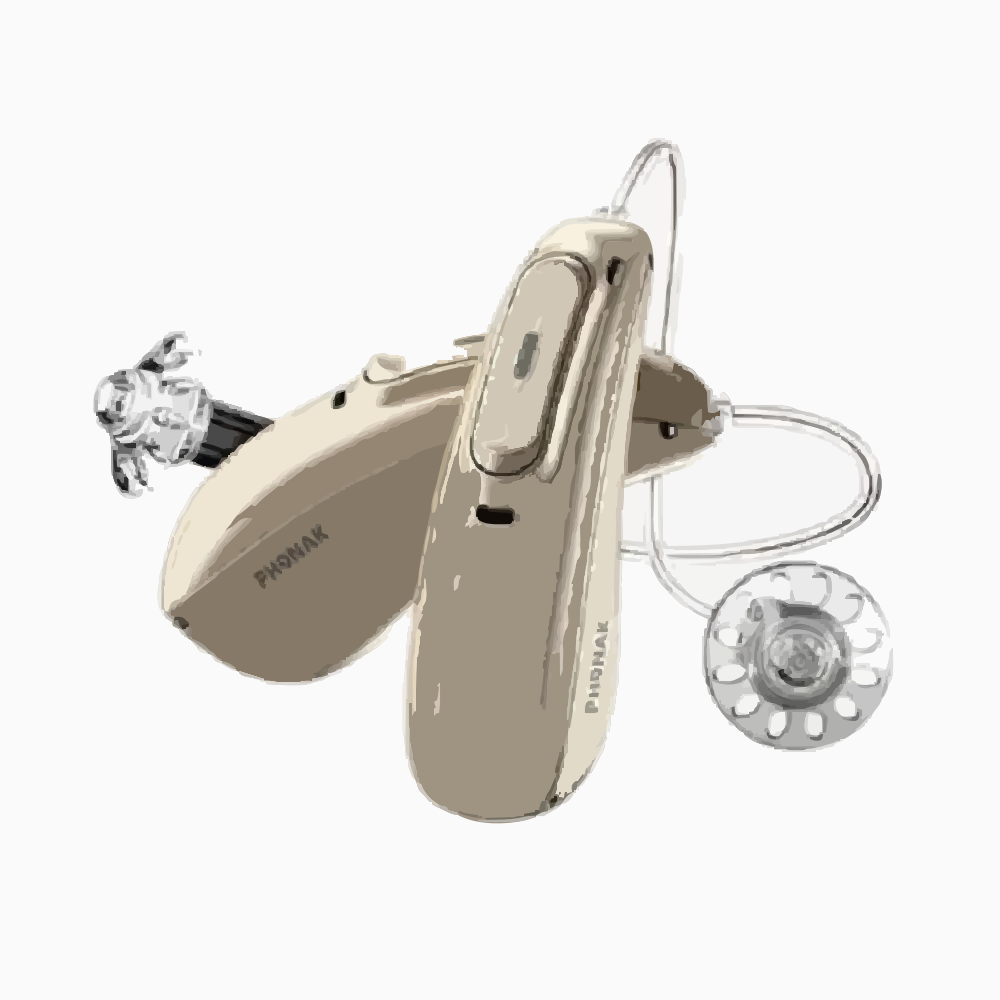
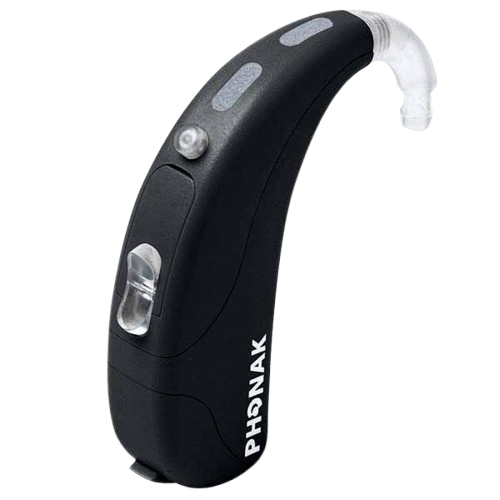
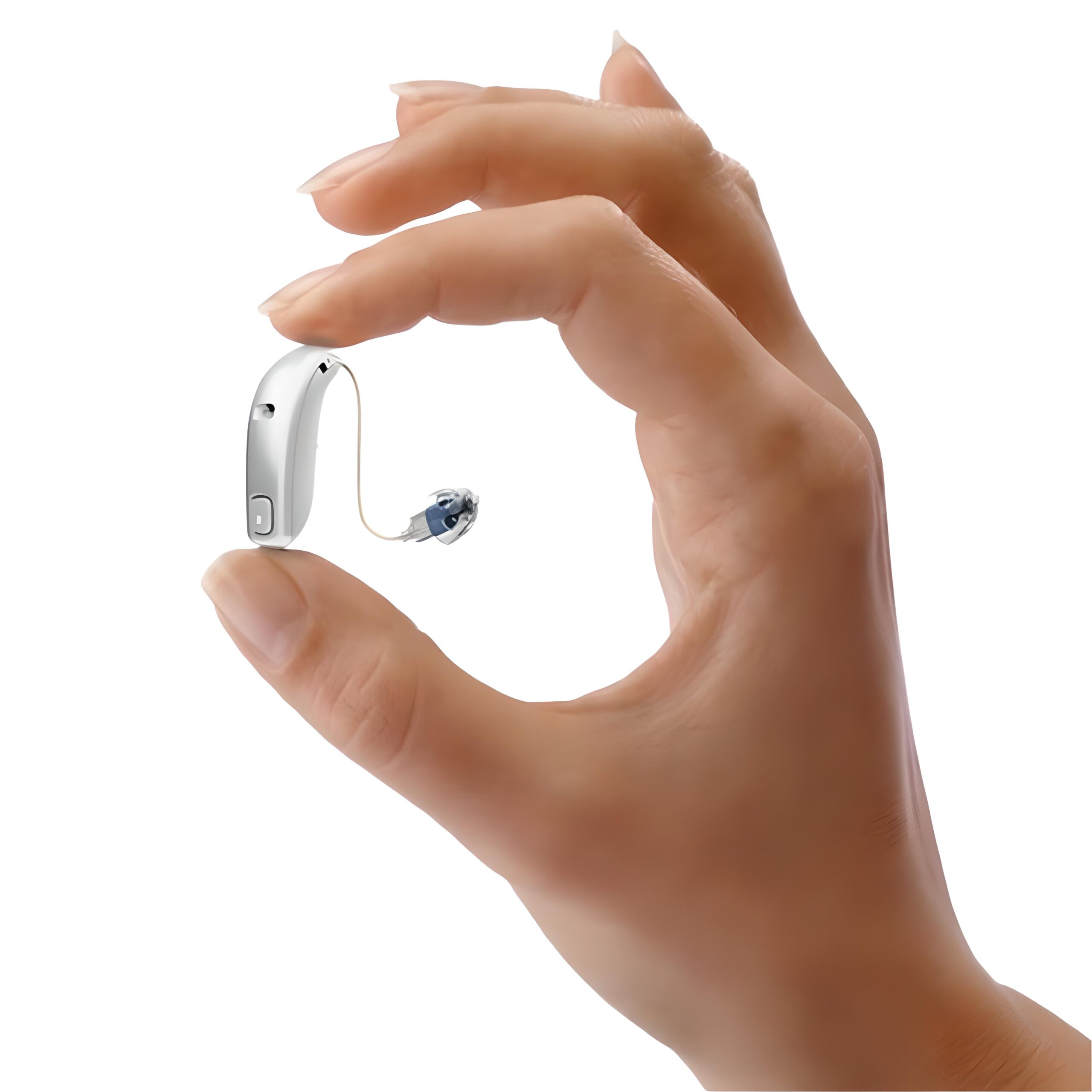
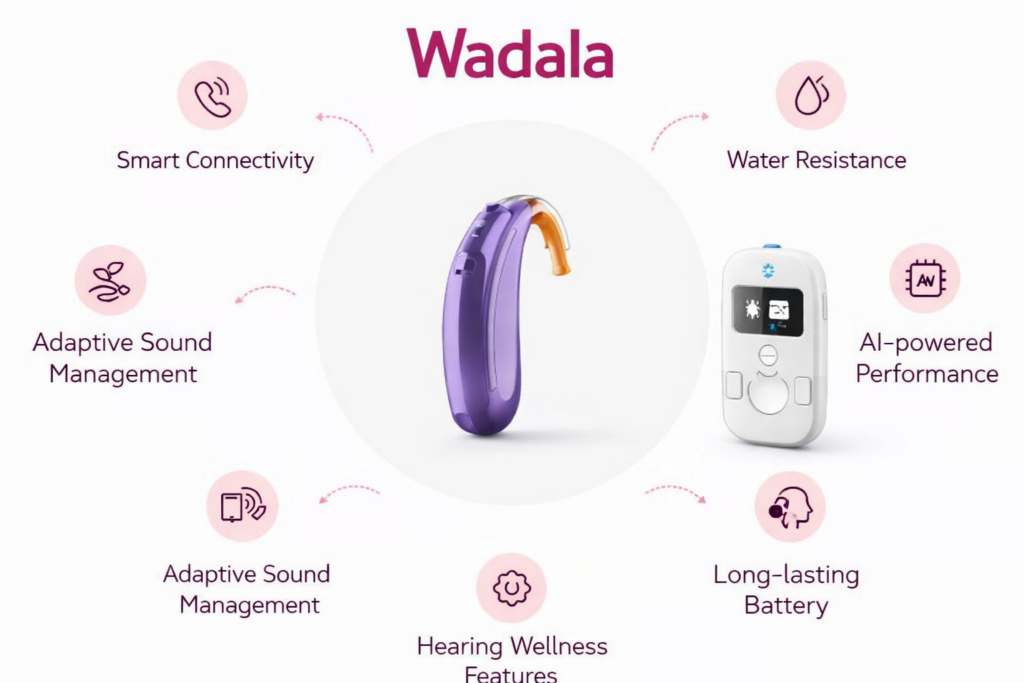
Hearing aids come in several styles, including behind-the-ear, in-the-ear, completely-in-canal, and invisible options—each designed for different needs and comfort levels.
Yes, a professional hearing evaluation helps determine the type and level of hearing support you need for the best results.
Many modern devices offer rechargeable options, while others still use traditional disposable batteries, depending on the model.
Most advanced hearing aids can connect wirelessly to phones, TVs, and other devices for streaming audio and calls.
Adjustment time varies, but most people adapt within a few weeks as their brain gets used to new sounds.
Many providers offer trial periods so you can test comfort and performance before making a final decision.
Basic cleaning should be done daily, with professional servicing recommended every few months or as needed.
Hearing aids typically last between 3 and 7 years, depending on usage, care, and technology level.
Most hearing aids include warranties that cover repairs and sometimes loss or damage for a specified period.