






Frequently Asked Questions
Common signs include difficulty understanding conversations, especially in noisy environments, frequently increasing the volume of the television, or feeling like others are mumbling. A professional hearing assessment can help determine the exact level of hearing loss.
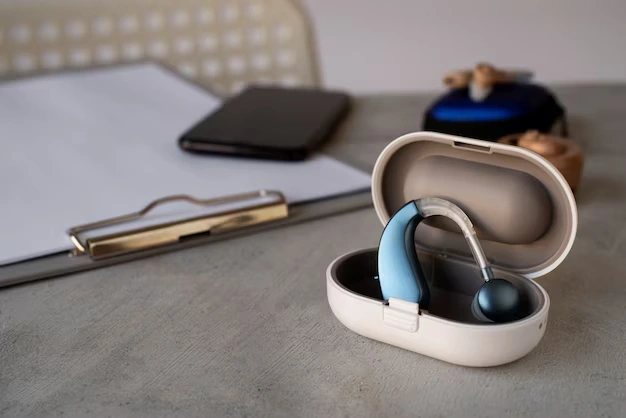
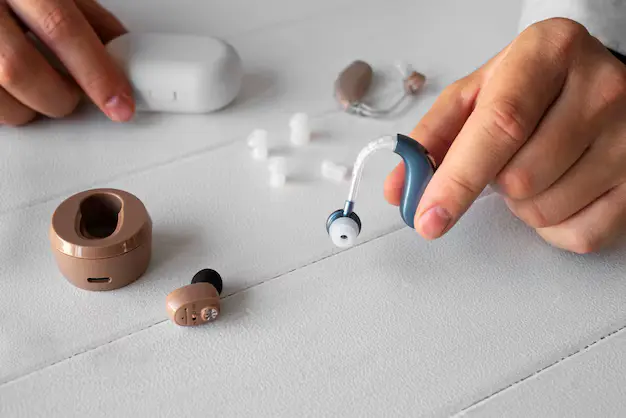
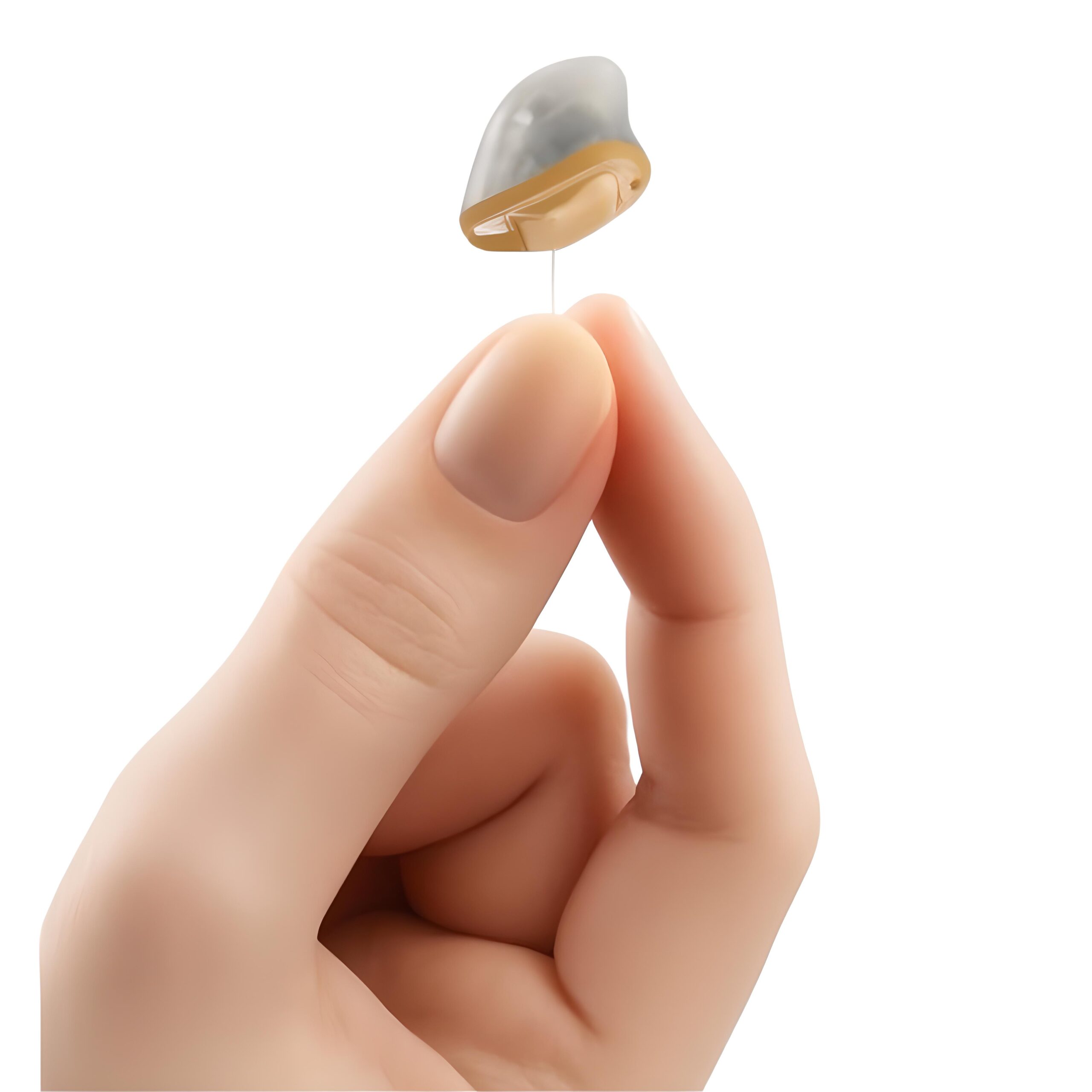
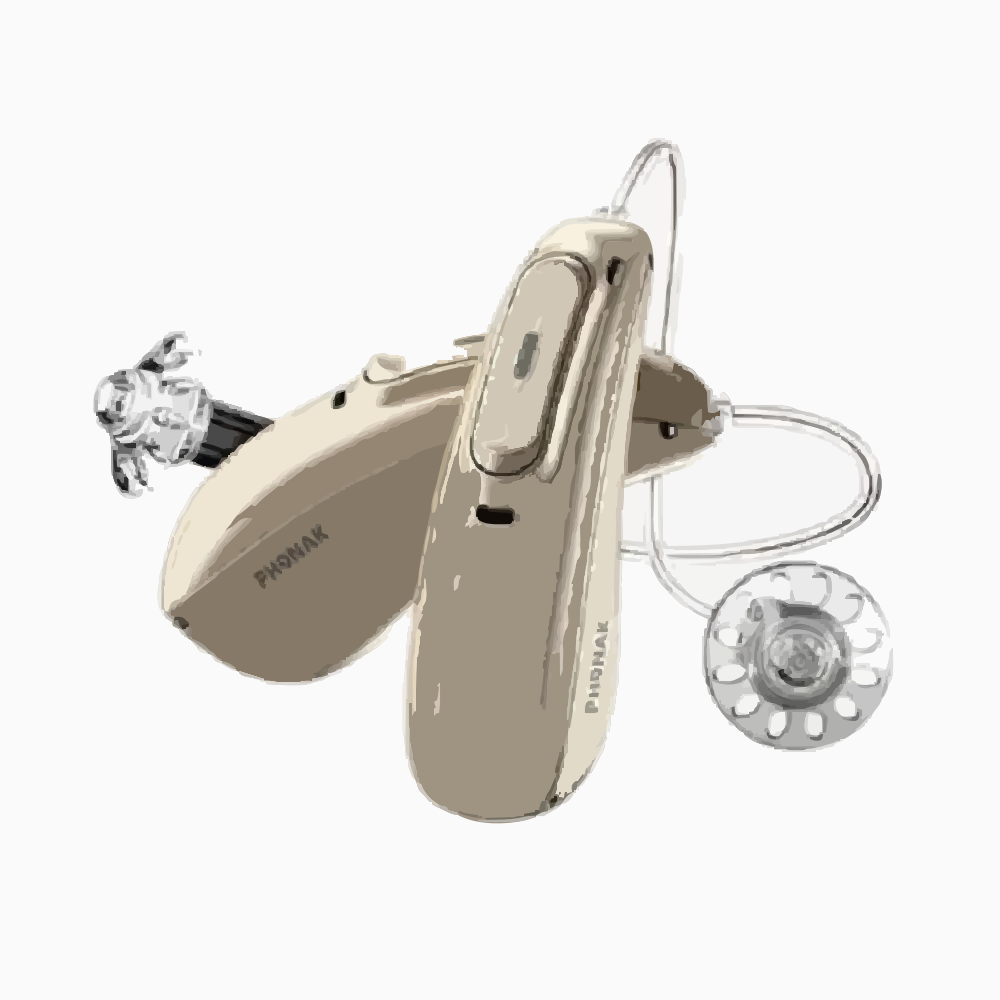
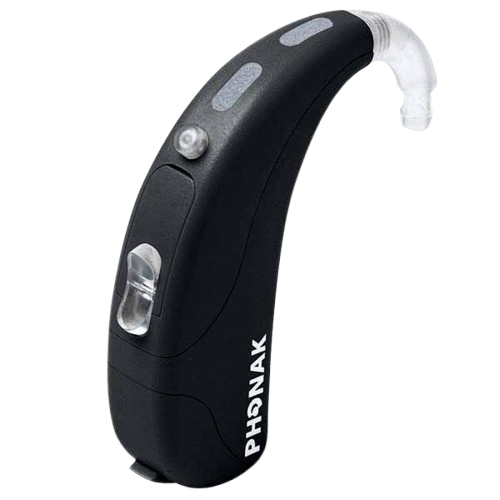
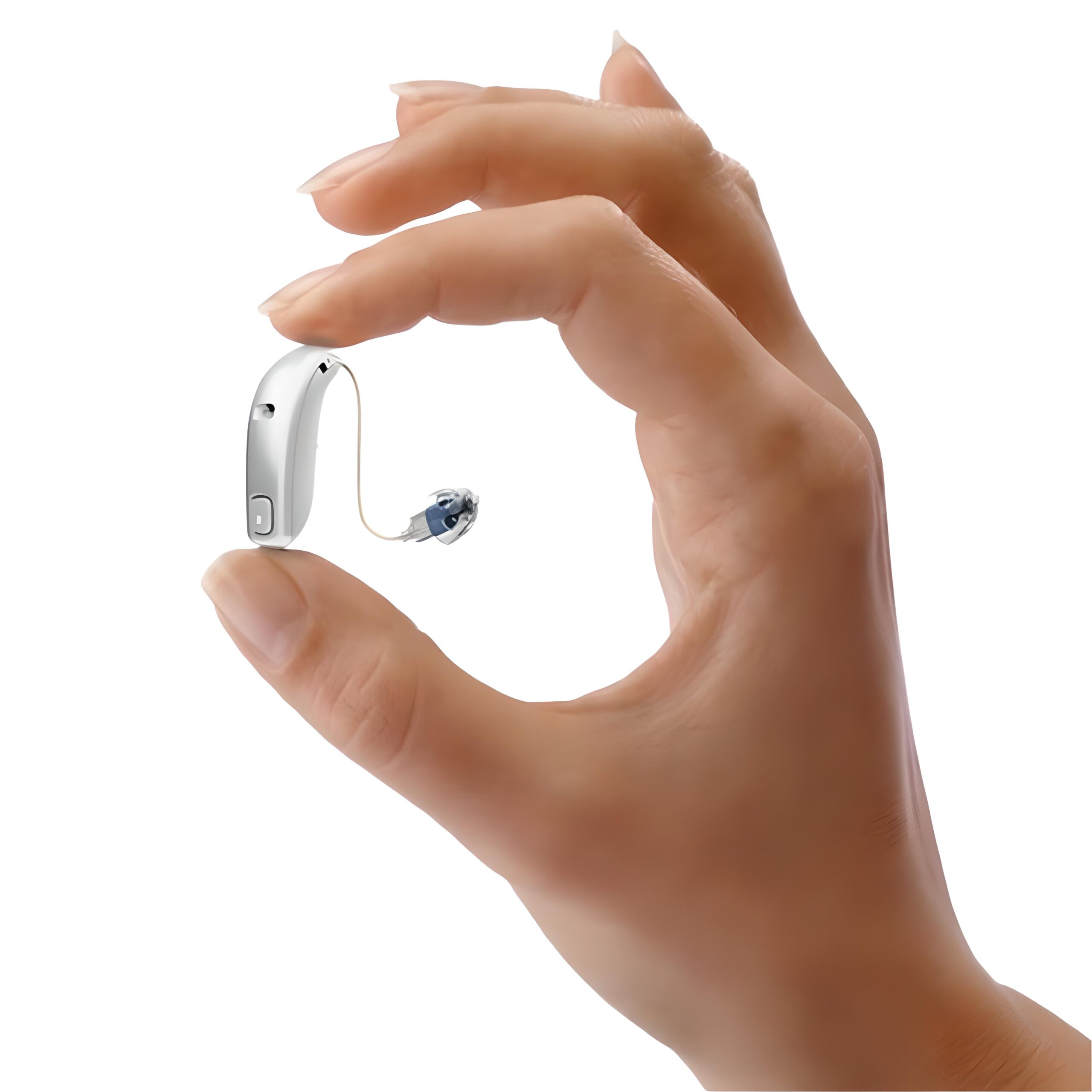
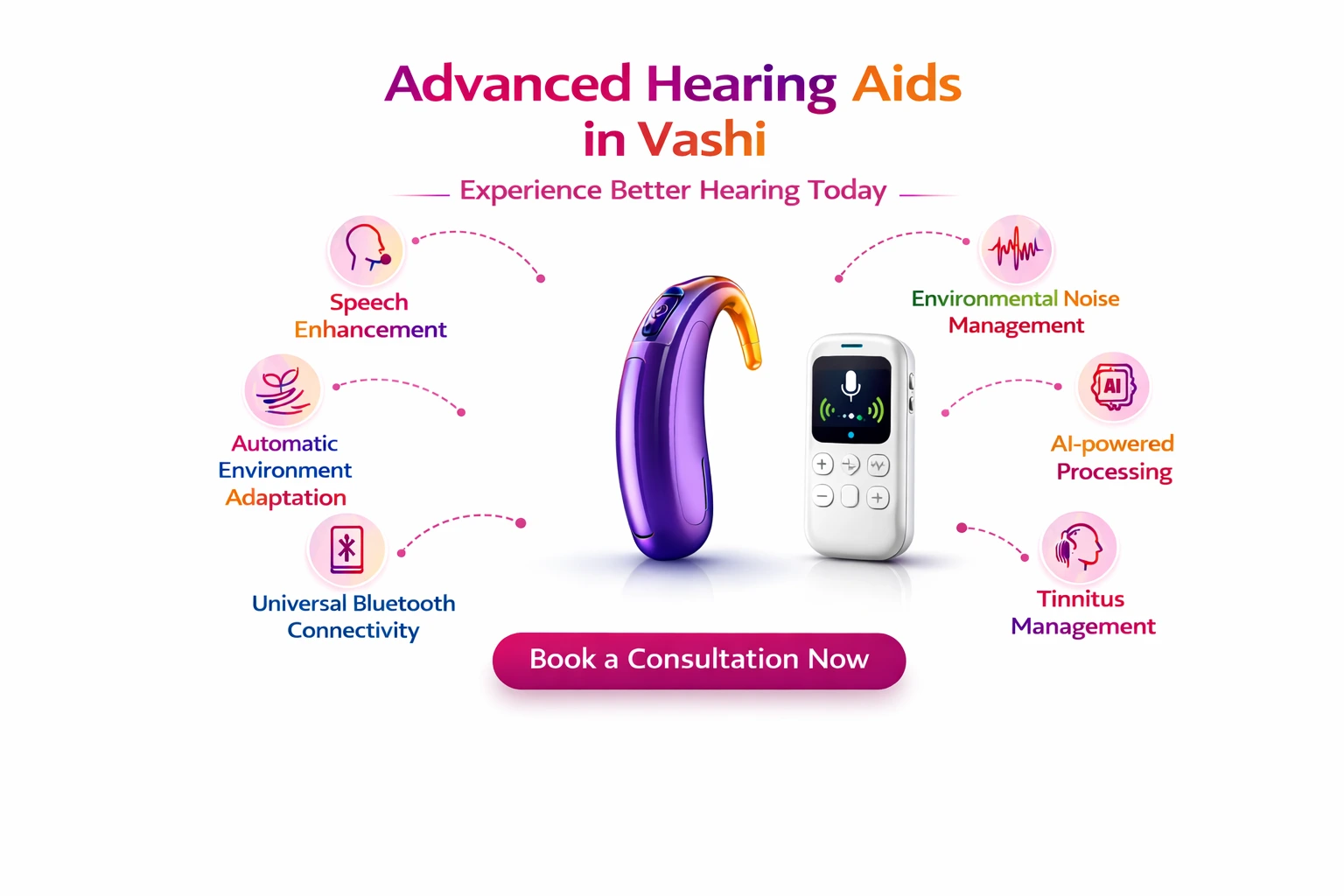
Many modern hearing aids are designed to be very discreet. Some models fit behind the ear while others are small enough to sit inside the ear canal, making them barely noticeable.
Yes, advanced hearing aids are designed with technology that helps focus on speech while minimizing surrounding noise, allowing users to follow conversations more clearly in busy environments.
Absolutely. Hearing aids are programmed according to your specific hearing test results. This customization ensures the device amplifies the sounds you need most.
No, most hearing aids are simple to operate. Audiologists usually guide users through the setup process and provide instructions on how to wear, adjust, and care for the device.
Yes, hearing aids are designed for daily use. Wearing them regularly can help the brain adapt to amplified sounds and improve overall hearing comfort.
Yes, hearing aids help individuals hear speech more clearly, which can significantly improve conversations and reduce misunderstandings during social interactions.
A proper fitting by a hearing specialist ensures that the device sits comfortably and delivers the correct level of sound amplification based on your hearing needs.
If your hearing aid stops functioning, you should first check the battery and clean the device. If the issue continues, visiting a hearing care professional for inspection and repair is recommended.
Yes, follow-up visits help specialists fine-tune the hearing aid settings, ensure comfort, and make adjustments based on your listening experience.