

Best Hearing Aids in 2026: Models, Prices & Features Compared
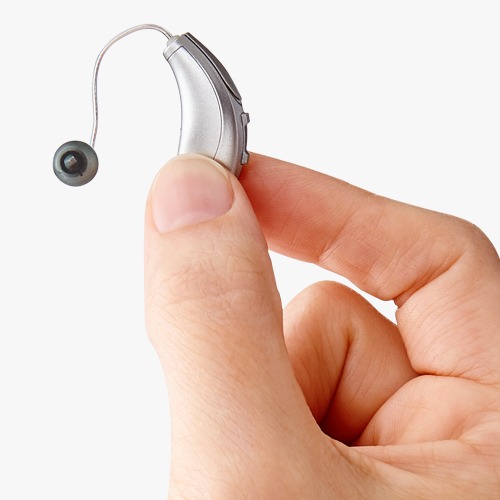
Hearing loss affects millions of people — but thanks to rapid advances in hearing-aid technology, 2026 offers a range of devices that are smaller, smarter, and far more effective than ever before. At HearSan, our goal is to help you navigate this growing landscape so you can find the right solution for your hearing needs. Below is a curated comparison of the top-performing hearing aids across different styles and price points — along with factors to consider when choosing one.
Why the right hearing aid matters
Better speech clarity in varied environments — Modern devices focus not just on amplification, but on enhancing speech while suppressing background noise.
Improved comfort and lifestyle fit — From rechargeable batteries to smartphone connectivity, today’s hearing aids are designed for everyday use: calls, media, conversations, and daily living.
Quality of life & social engagement — Clear hearing can improve social interactions, reduce fatigue, and make daily activities safer and more enjoyable.
How to Choose: Which Hearing Aid Fits You
Your ideal hearing aid depends on several personal factors. Here’s a guide to help you decide:
1. Degree of hearing loss
Mild to moderate: RIC or slim BTE models (e.g. Signia, Jabra, ReSound) generally suffice.
Moderate to severe: Powerful RICs like Phonak, or custom-fit ITE/ITE-style devices (like Widex) may perform better.
2. Lifestyle & daily use
Active lifestyle / frequent outdoor use: Look for rechargeable batteries, robust Bluetooth connectivity, adaptive noise-management (e.g. Phonak, Signia, ReSound).
Music lovers or those sensitive to sound latency: Consider models prioritizing natural sound and low audio delay (e.g. Widex Moment).
3. Discretion vs power
Prefer “invisible” devices: RIC or custom ITE/ITC styles are subtle.
Need maximum amplification: BTE or power-RIC styles with stronger receivers are better for significant hearing loss.
4. Support, fitting, and after-care
Working with audiologists and proper fitting (real-ear measurements, fine-tuning) significantly impacts satisfaction. Many premium devices include follow-up support, warranty and servicing.
In countries like India, verify local authorized service centres and availability of spare parts.
Why Investing in a Quality Hearing Aid Is Worth It
Long-term comfort and reliability: Cheaper, basic aids may amplify sound — but premium devices deliver better clarity, reduce background noise, and adapt to different sound environments automatically.
Better social interaction & reduced fatigue: Clear hearing means less effort in conversations, better engagement in social settings, and reduced cognitive strain.
Flexibility for modern life: With smartphone connectivity, rechargeable batteries, and app-based tuning, modern hearing aids integrate seamlessly into daily routines — from phone calls to streaming media.