Best Hearing Aid clinic in Mumbai

Uncategorized

10 Early Signs You May Need a Hearing Aid

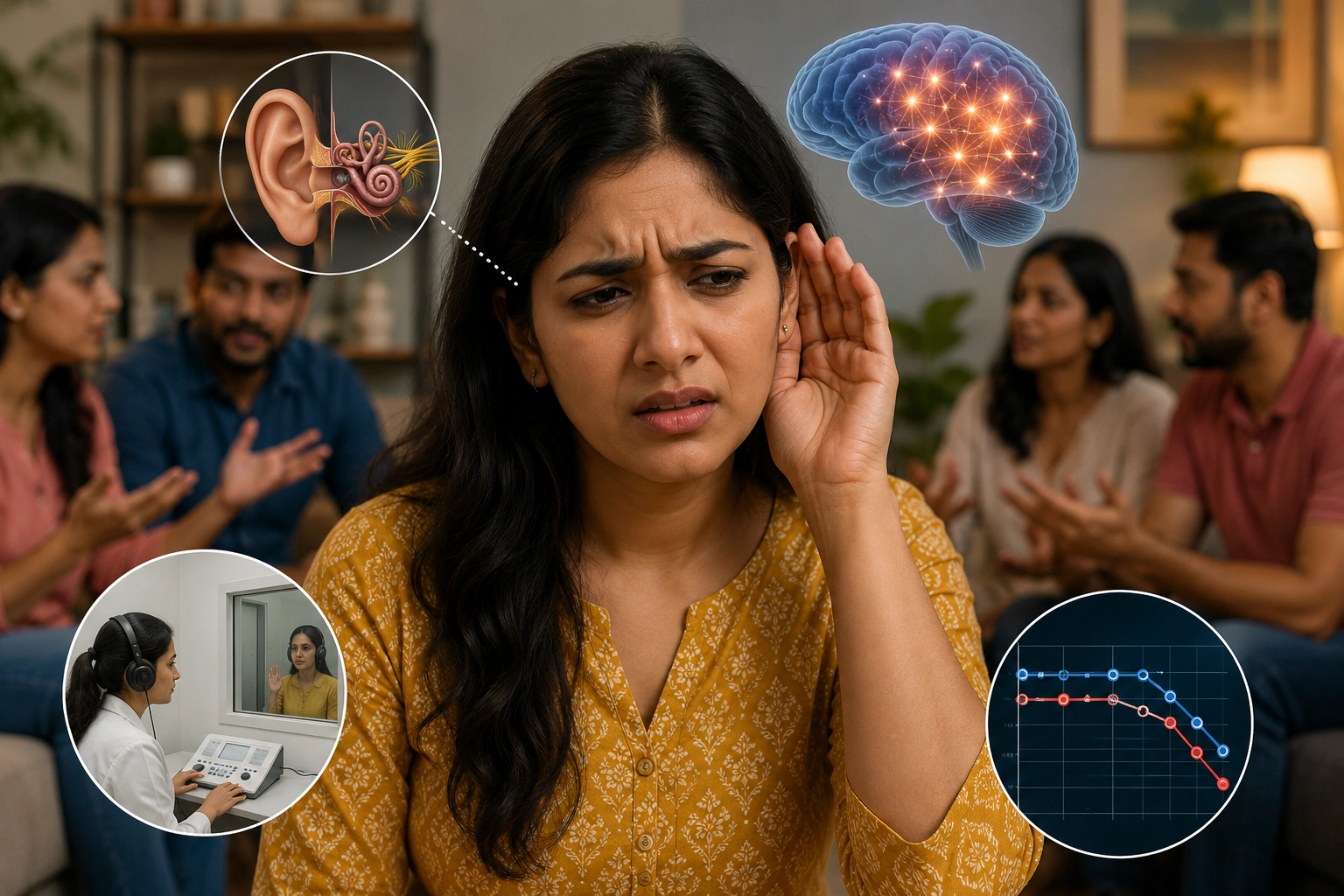
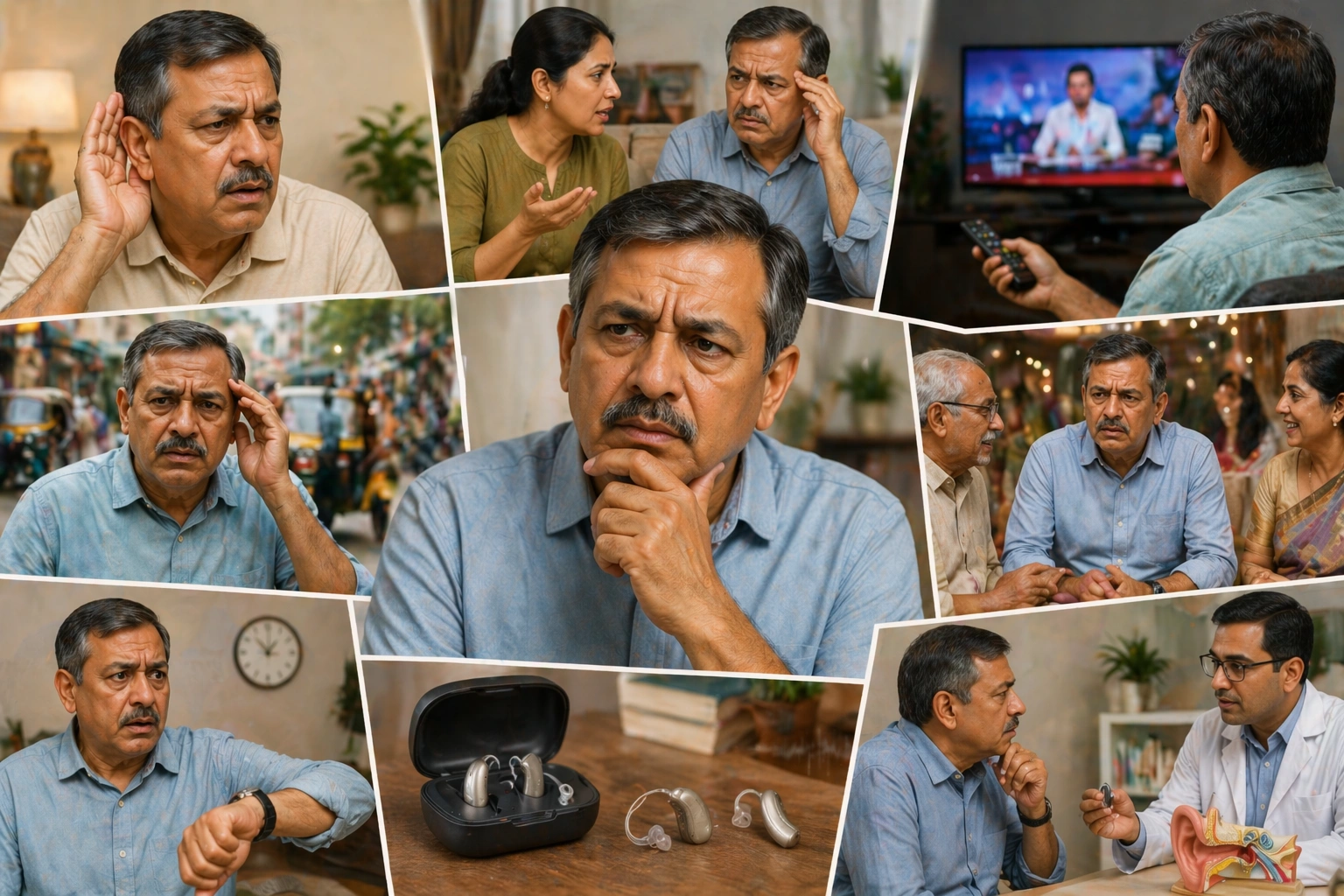
Hearing loss develops progressively because people fail to recognise initial signs of the condition. Many people delay seeking help because they believe their problem will resolve itself or they think it results from normal ageing. However, the early detection of these signs will lead to better results for your life.  At trusted hearing aid centres like San Hearing & Speech Clinic, professional evaluation and advanced solutions provide the ability to restore your hearing abilities and regain your confidence.  Why Early Detection Matters Untreated hearing loss affects three areas of a person’s life, which include their ability to communicate with others and maintain relationships and their mental health. Your condition will become easier to handle when you identify its symptoms at an earlier stage. 10 Early Signs You May Need a Hearing Aid Difficulty Understanding Conversations When you experience difficulties following group conversations which occur in loud environments, this condition serves as an early indicator that you may have hearing loss. Frequently Asking People to Repeat Themselves Your ability to hear properly has decreased when you need to ask people to repeat their words multiple times by saying “What?” or “Can you repeat that?” Turning Up the Volume Too High Do others complain that your TV or music is too loud? This is a common sign that your hearing may be declining. Trouble Hearing on Phone Calls You should schedule a hearing evaluation when your phone calls become distorted and hard to understand. Difficulty Hearing High-Pitched Sounds People who develop early hearing loss begin to struggle with hearing common sounds which include doorbell rings and alarm sounds and children’s voices. Feeling Tired After Conversations People feel exhausted from hearing because they need to focus extra energy on their listening process. People who need to talk with others should know that they should not require mental power to understand their words. Avoiding Social Situations The social life of people with hearing loss begins to decline when they face difficulties in understanding what others say during conversations. Misunderstanding Words Describes a situation where you mishear words which causes you to respond incorrectly because you failed to understand what others said.  Ringing in the Ears (Tinnitus) Your ears produce continuous ringing and buzzing and humming sounds which connect to your hearing impairment.  Difficulty Hearing in Noisy Places Your hearing impairment makes it difficult to understand spoken words when background sounds fill restaurants and public areas.  When to Seek Help You should consult a hearing specialist when you observe even one of these symptoms. The San Hearing & Speech Clinic provides complete hearing assessments and customized solutions that meet your specific requirements.  Conclusion People experience gradual hearing loss progression, which becomes a severe problem when people do not seek treatment. You can maintain your connection with your surroundings through early sign recognition and prompt action. Your hearing ability and your self-esteem, along with your general health, will improve through professional evaluation and appropriate hearing aid selection.

10 Early Signs You May Need a Hearing Aid Read Post »

7 Mistakes to Avoid While Buying Hearing Aids

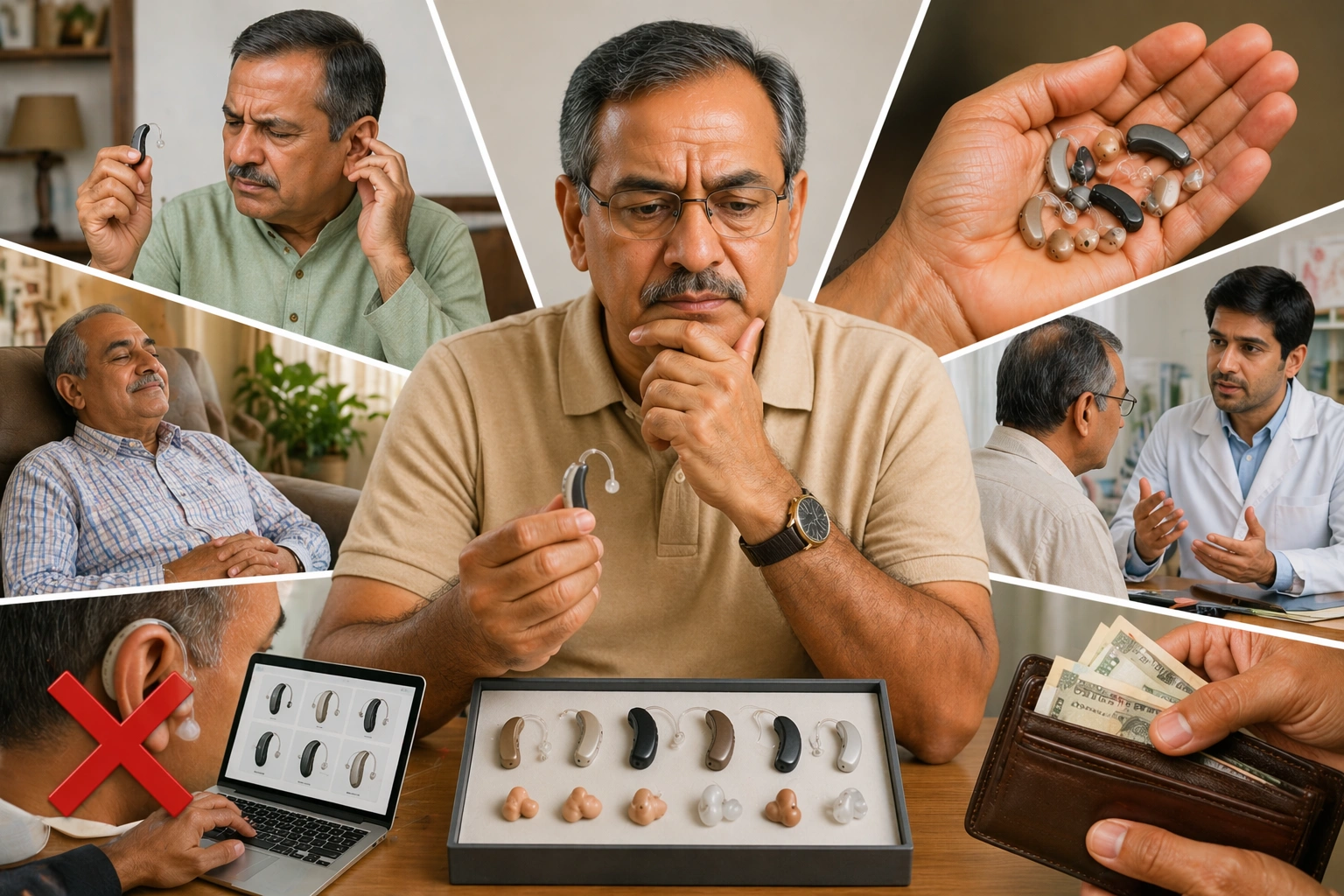
Purchasing a hearing aid functions as a purchase that improves your overall standard of living. People tend to select their options without proper assessment because they face too many choices, which results in them choosing wrong items that cause them discomfort and underperforming products and unnecessary expenses. The common errors that people make when selecting options for themselves or their loved ones to search for better solutions. The San Hearing & Speech Clinic provides physical and mental support to their clients by delivering specialized solutions that enable effective hearing assessments. Skipping a Professional Hearing Test Buying hearing aids without proper diagnosis would lead you to some wrong choice made due to different levels of hearing loss. People should seek professional help from audiologists People should learn about the specific hearing problems that affect their hearing ability Choosing Price Over Quality The least expensive product will damage your performance abilities while destroying your equipment. Low-cost devices may lack essential features and customization. The market offers low-cost generic devices which users should avoid Users should concentrate on product value instead of product price Ignoring Lifestyle Needs Hearing aids do not follow the same lifestyle. One appliance that works best for a quiet home may fall short in noise-laden environments. Your daily activities should be assessed The effectiveness of noise reduction should be tested The system should support Bluetooth and mobile synchronization Not Checking Comfort and Fit A hearing aid that is irritable will most probably go unused, given that the essential thing for everyday wear is a good fit and comfort. People should test various hearing aid designs which include BTE and ITE and CIC People need to get professional help to achieve proper hearing aid fitting People should examine their body for signs of irritation and pressure discomfort Overlooking After-Sales Support Many software users disregard ongoing support, upkeep and adjustments. People should select a clinic which provides their patients with follow-up treatment People need to verify whether the center provides repair and maintenance services People should inquire about testing periods and product modifications Falling for Online or OTC Devices Without Guidance While over-the-counter or online hearing aids may seem convenient, they’re not personalized. People should not attempt to diagnose their condition or fit themselves with devices People should obtain professional assistance before making a purchase People need to confirm that their device matches their actual hearing abilities Not Considering Future Needs Most commonly, hearing loss relates to the inner or middle ear. People should select devices which offer both scalability and programming capabilities People need to confirm that software updates will be provided People need to plan for the long-term future instead of focusing on immediate needs Conclusion  Your hearing experience will improve through learning how to avoid common errors. The right hearing aid selection improves your ability to communicate with others while boosting your self-assurance and enhancing your overall health. San Hearing & Speech Clinic provides expert consultations and advanced technological solutions which enable you to make informed decisions about your needs. You should take your time to consult professionals who will help you make sound investments that will improve your hearing health.

7 Mistakes to Avoid While Buying Hearing Aids Read Post »

OTC vs Prescription Hearing Aids

Hearing loss is a global health issue affecting millions of people. Yet, many hesitate to seek treatment because they believe hearing aids are expensive or difficult to use. The introduction of OTC (Over-the-Counter) hearing aids has made hearing care more accessible, offering consumers a wider range of options than ever before. However, an important question remains: should you choose OTC hearing aids or prescription hearing aids? Understanding the differences can help you make the right decision based on your hearing needs, lifestyle, and long-term comfort. In this blog, we explore the key differences between OTC and prescription hearing aids to help you choose the best option for better hearing and improved quality of life. What Are OTC Hearing Aids? OTC hearing aids are devices that adults with mild to moderate hearing loss can purchase directly from stores or online without visiting an audiologist. They provide a convenient and affordable solution for basic hearing support. Benefits of OTC Hearing Aids Affordable pricing: Significantly lower cost compared to prescription hearing aids Easy purchase: No hearing tests or professional consultation required Quick access: Available in retail stores or online with fast delivery User-controlled: Basic sound settings can be adjusted by the user Limitations of OTC Hearing Aids Not suitable for severe or complex hearing loss Limited personalization and sound adjustment options Generic fitting may not provide optimal comfort or clarity Lack of professional guidance, follow-ups, and ongoing support What Are Prescription Hearing Aids? Prescription hearing aids are professionally fitted devices recommended by an audiologist after a comprehensive hearing test. They are suitable for mild to profound hearing loss and offer advanced sound clarity and customization. Benefits of Prescription Hearing Aids Custom-fitted: Designed specifically for your ear and hearing profile Advanced technology: Includes noise reduction, Bluetooth connectivity, directional microphones, AI-based tuning, and rechargeable features Professional support: Includes hearing assessments, device programming, follow-ups, and adjustments Better long-term results: Greater comfort, improved clarity, and higher satisfaction Limitations of Prescription Hearing Aids Higher initial cost compared to OTC devices Requires appointments and visits to a hearing specialist Final Thoughts Choosing between OTC and prescription hearing aids depends on the severity of your hearing loss and your long-term hearing goals. While OTC devices may work for mild cases, consulting an audiologist is essential for accurate diagnosis and the most effective solution. Trusted providers like San Hearing & Speech Clinic offer expert hearing evaluations, personalized fittings, and advanced hearing aid solutions tailored to your lifestyle—ensuring you receive the best possible hearing care and long-term satisfaction.

OTC vs Prescription Hearing Aids Read Post »

AI-Powered Hearing Aids: How Artificial Intelligence Improves Hearing

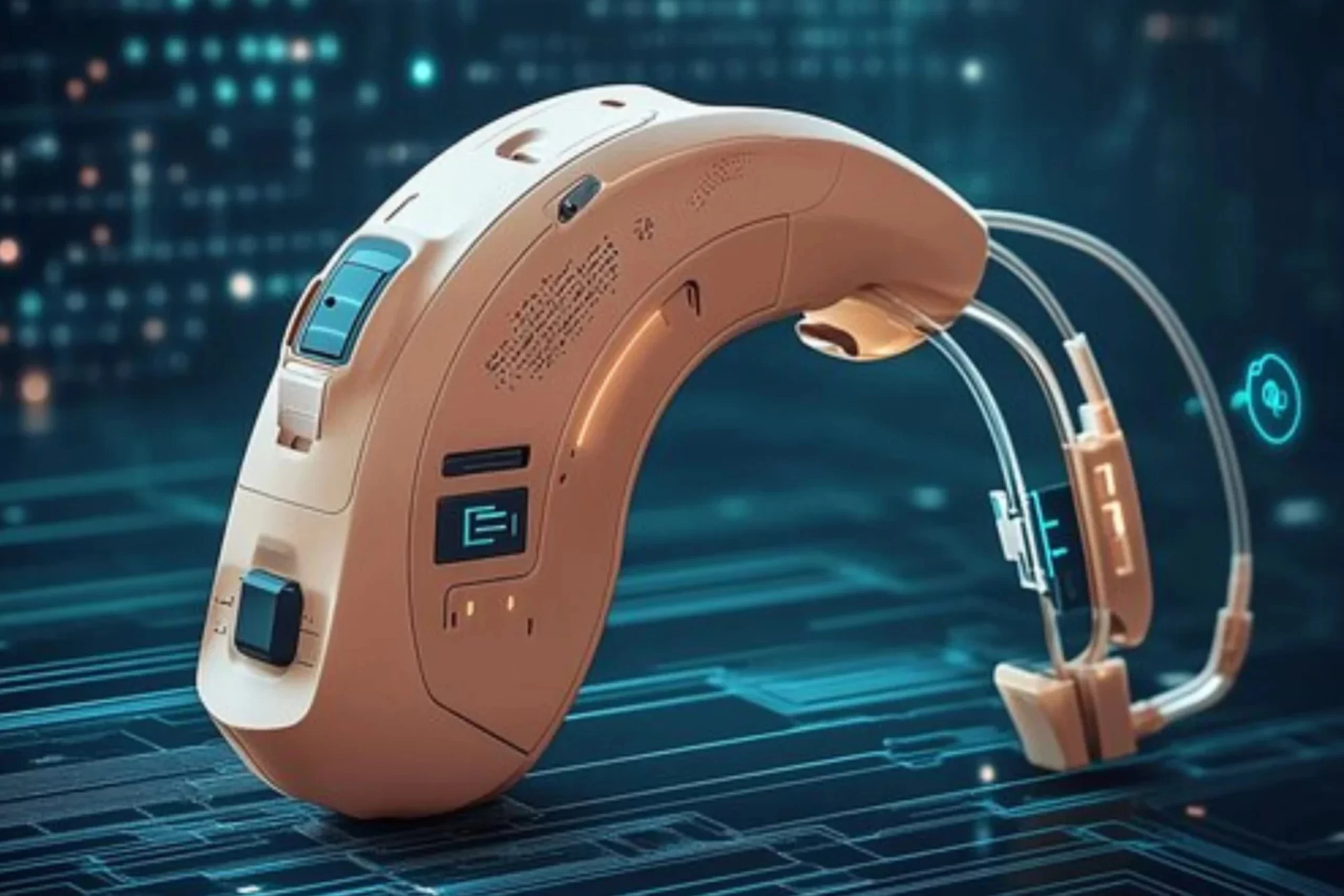
The development of hearing technology has come a long way, and one of the most significant advancements is the emergence of AI-powered hearing aids. These devices use artificial intelligence to recognize sounds, adapt to different environments, and deliver clearer, more natural hearing. For individuals with hearing loss, AI technology offers a level of comfort, precision, and personalization that traditional hearing aids cannot match. Trusted providers like San Hearing & Speech Clinic are helping bring these advanced solutions to people by offering hearing care tailored to real-life listening needs. Understanding AI in Hearing Aids Artificial Intelligence (AI) refers to machines that can learn, analyze, and make decisions based on patterns in data. When integrated into hearing aids, AI allows the device to continuously learn from the user’s surroundings—whether it’s a restaurant, a busy street, a quiet home, or a workplace. The hearing aid automatically adjusts its settings based on the environment, reducing the need for manual control and providing a seamless listening experience. How AI Improves Hearing Quality 1. Real-Time Noise ReductionBackground noise is one of the biggest challenges for hearing aid users. AI-powered hearing aids analyze sound frequencies and directions to distinguish speech from noise. This helps make conversations clearer, even in crowded or noisy environments. 2. Enhanced Speech RecognitionAI technology improves speech clarity by focusing on human voices. It prioritizes speech over surrounding sounds, making it easier for users to follow conversations without strain. 3. Automatic Environment AdaptationAI-enabled devices learn your daily habits, preferred environments, and frequently visited places. Whether you are at home, in a car, or in a marketplace, the hearing aid automatically adjusts its settings to match the surroundings, ensuring a natural listening experience. 4. Feedback and Whistle ControlAI helps reduce unwanted whistling or feedback sounds using advanced algorithms, providing a smoother and more comfortable hearing experience. Key Benefits of AI-Powered Hearing Aids Clearer speech understanding Reduced background noise Automatic adjustment of volume and settings Greater comfort during long listening periods Continuous learning based on your lifestyle Bluetooth connectivity and hands-free app control Conclusion AI-powered hearing aids are transforming the way people experience sound. By combining intelligent noise reduction, adaptive learning, and personalized sound processing, these devices offer a superior hearing experience. With advancements in technology and expert support from trusted providers like San Hearing & Speech Clinic, individuals can enjoy clearer communication, improved comfort, and a more connected daily life. If you’re looking for a modern, smart, and lifestyle-friendly hearing solution, AI-powered hearing aids are a powerful step forward.

AI-Powered Hearing Aids: How Artificial Intelligence Improves Hearing Read Post »

Smarter Hearing Aids: How AI is Changing The Way We Hear

In the modern world, where everything moves at a fast pace, being able to hear clearly is absolutely essential. Whether in business meetings or family conversations, good hearing helps us stay attentive and understand both verbal and nonverbal cues. While traditional hearing aids have long been the solution for hearing loss, recent advancements in AI technology are completely transforming the listening experience. Today’s hearing aids are no longer just sound amplifiers—they are intelligent devices that adapt, learn, and enhance your hearing in real time, something unimaginable just a decade ago. The Rise of AI in Hearing Technology Artificial intelligence is driving the next generation of hearing aids. Unlike conventional devices that simply amplify all sounds, AI-powered hearing aids analyze the environment instantly. They can distinguish between speech and noise, reduce background disturbances, and automatically adjust sound levels to provide a clearer listening experience. For example, in a noisy restaurant, these devices can focus on the voice of the person you are speaking with while minimizing surrounding noise, making conversations smoother and more natural. A Personalized Hearing Experience One of the most remarkable benefits of AI hearing aids is personalization. These devices learn your listening preferences over time and automatically adjust settings based on your habits and environments. Many models connect with smartphone apps, allowing users to fine-tune their hearing experience easily. AI algorithms continuously monitor patterns, identify challenges, and improve sound delivery—ensuring that each user experiences sound in the most natural and comfortable way possible. Connectivity and Smart Features Modern AI hearing aids offer seamless connectivity. They can connect to smartphones, TVs, and other Bluetooth-enabled devices, allowing users to stream calls, music, and media directly into their ears. Some models also support voice assistants, enabling hands-free control and quick access to information, making them an integral part of everyday life. Health and Lifestyle Benefits AI hearing aids go beyond improving hearing—they also enhance overall well-being. By reducing listening effort, improving communication, and encouraging social interaction, they help lower stress levels and may even reduce the risk of cognitive decline. With better hearing, users can stay active, engaged, and connected in their daily lives. The Future of Hearing As AI continues to evolve, the possibilities for hearing technology are limitless. Future hearing aids may offer features like real-time language translation and advanced health monitoring, becoming even more integrated into our daily routines. For individuals experiencing hearing loss, adopting AI-powered hearing aids is a step toward a more vibrant, connected, and fulfilling life. With expert guidance and advanced solutions available at trusted providers like San Hearing & Speech Clinic, users can confidently embrace the future of hearing care.

Smarter Hearing Aids: How AI is Changing The Way We Hear Read Post »

Are Hearing Aids Covered by Insurance in India?

Hearing loss is a problem that affects millions of people in India—not only the elderly but also younger individuals. However, hearing aids remain one of the most underutilized medical devices. Patients and their families often wonder whether hearing aids are covered by insurance in India. The answer is complex and depends on the type of policy, the insurance provider, and the specific coverage terms. General Insurance Coverage for Hearing Aids in India Most standard health insurance policies in India do not cover hearing aids. These policies primarily focus on hospitalization and surgical treatments. Hearing aids are typically classified as assistive or external devices—similar to spectacles or dental braces—and are therefore usually excluded from regular coverage. When Can Hearing Aids Be Covered? Despite these limitations, there are certain situations where hearing aids may be partially or fully covered: Corporate Health Insurance Plans:Some employer-provided group insurance plans may include hearing aid coverage, usually with a fixed reimbursement limit or once every few years. Hospitalization or Critical Illness Claims:If hearing loss results from an accident or a serious medical condition requiring hospitalization, insurers may cover hearing aids as part of rehabilitative treatment—subject to prior approval. Senior Citizen Insurance Policies:A few policies designed for senior citizens may offer limited financial assistance for hearing aids, often with sub-limits and waiting periods. Government Schemes:Hearing aids may be provided free or at subsidized rates under government programs like the ADIP scheme, especially for children, senior citizens, and economically disadvantaged individuals who meet eligibility criteria. What Is Normally Excluded From Coverage? Most insurance policies exclude: Hearing aids purchased without hospitalization Replacement devices, batteries, accessories, or servicing Devices considered for aesthetic or lifestyle purposes Points to Consider Before Purchasing a Hearing Aid Before buying a hearing aid, it’s important to: Review your insurance policy for exclusions and add-ons Check if your employer offers hearing aid benefits Explore government or NGO assistance programs Affordable Hearing Care Solutions Even without insurance coverage, quality hearing care is accessible. Trusted providers like San Hearing & Speech Clinic offer a wide range of hearing aids, expert audiologist consultations, and flexible options to suit different needs and budgets. With professional guidance, you can find a solution that matches both your hearing condition and lifestyle. Final Thoughts In India, hearing aids are generally not covered by insurance, though limited support may be available through corporate plans, senior citizen policies, or government schemes. As awareness grows, insurance providers may expand their coverage in the future. Meanwhile, making informed choices and consulting a reliable hearing care provider like San Hearing & Speech Clinic can help ensure effective and accessible hearing solutions.

Are Hearing Aids Covered by Insurance in India? Read Post »

How Online Hearing Tests Help You Choose the Right Hearing Aid

Hearing loss usually occurs gradually, which is why early signs are often difficult to notice. With the rise of digital healthcare, hearing tests have now moved online, becoming an easy and effective first step in detecting hearing problems and choosing the right hearing aid. Platforms like San Hearing & Speech Clinic and similar services are making hearing tests more accessible, precise, and user-friendly—empowering people to manage their hearing health from the comfort of their homes. Early Detection Without Clinic Visits Online hearing tests enable early detection without the inconvenience of traveling or taking time off work. They can be done anytime, anywhere, helping identify hearing loss patterns and alert users when professional consultation is needed. Personalized Hearing Profiles These tests analyze responses to tones and speech recordings to create a personalized hearing profile. This helps identify specific frequency ranges that are affected, guiding the hearing aid selection process based on individual needs. Guidance in Choosing the Right Hearing Aid Type Based on test results, users receive recommendations on suitable hearing aid types—such as BTE (Behind-the-Ear), ITE (In-the-Ear), or invisible devices. These suggestions consider the severity of hearing loss, lifestyle, and typical listening environments. Cost-Effective and Time-Saving Decision-Making Online hearing tests provide instant results, reducing the need for multiple clinic visits and saving both time and money. They also help users make confident decisions when selecting hearing aids. Empowering Informed Hearing Health Decisions Understanding one’s hearing profile allows users to make informed choices, communicate better with specialists, and select features like Bluetooth connectivity, rechargeable batteries, and enhanced speech clarity. Confidence Before You Buy Investing in a hearing aid can feel overwhelming. Online hearing tests eliminate guesswork by giving users clarity about their hearing needs beforehand. Full and thorough insight into hearing condition Lower risk of choosing the wrong device Better match between hearing needs and technology Greater satisfaction and long-term comfort Try Hearing Solutions Risk-Free Test your hearing at home without pressure or obligation Get a clear understanding before visiting a clinic or purchasing a device Confidently explore recommended hearing aids Reduce the chances of selecting an unsuitable solution Take the first step toward better hearing stress-free A Smart First Step Toward Better Hearing While online hearing tests cannot replace clinical audiological evaluations, they serve as an excellent initial screening tool. They encourage proactive hearing care and guide individuals toward appropriate solutions. With trusted providers like San Hearing & Speech Clinic, you can begin your hearing journey with confidence—improving communication, enhancing quality of life, and experiencing clearer sound.

How Online Hearing Tests Help You Choose the Right Hearing Aid Read Post »

Scroll to Top
Call Now Button