
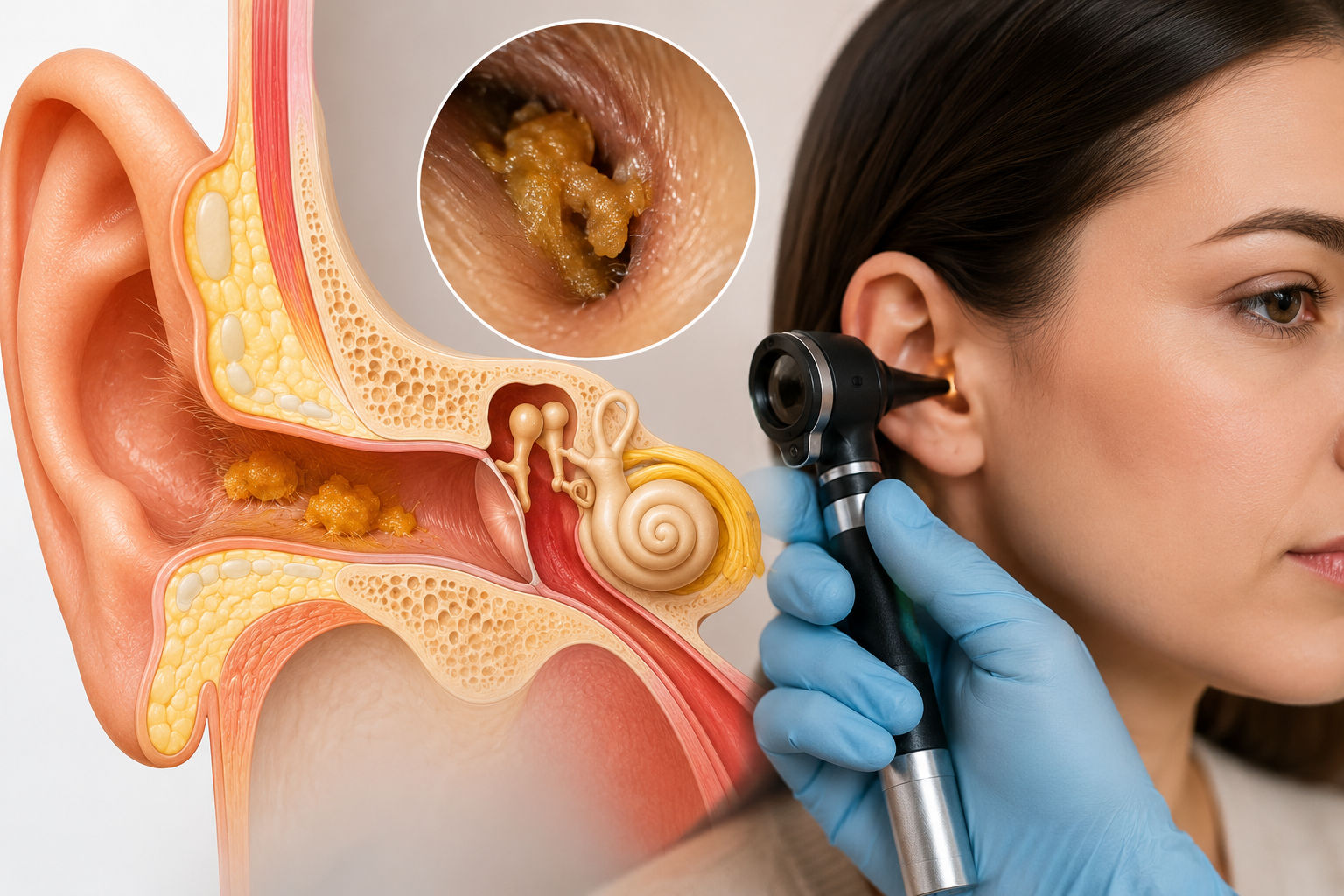
Earwax, also known as cerumen, is a natural substance produced by glands in the ear canal. Earwax is often incorrectly described as “dirty,” but it actually protects your ears by trapping dust and bacteria and keeping the ear canal moist. In most circumstances, earwax does not need to be removed. If you have too much earwax, it can lead to discomfort and hearing loss. Knowing the difference between harmless earwax and when you should go see an audiologist is important for your hearing.
Why is Ear Wax Beneficial?
Earwax actually has many important functions. It helps to protect the eardrum from harmful organisms and dust, and it also prevents irritation by preventing the ear canal from drying out. The ear canal naturally removes earwax by the movement of your jaw.
When is Ear Wax Normal
Ear wax is considered normal when it:-
- Between light yellow and dark brown
- Does not cause discomfort or affect hearing
- It naturally moves out of the ear.
Everyone has different amounts of earwax. Some people generate more wax than others, and that’s usually not a problem.
Sign of Excessive Ear Wax
Earwax buildup can occur from overproduction of earwax, narrow ear canals, aging, and improper cleaning techniques, such as cleaning the ear with cotton swabs.
Common symptoms of blocked earwax include the following:
- Hearing loss or muffled hearing
- Ear pain or fullness
- Tinnitus
- Dizziness or Loss of Balance
- Itchiness of the ear
- Feeling fullness in the ear
If you experience any of these symptoms, it’s important not to attempt to remove the wax yourself with sharp objects or cotton buds, as this can push the wax further in or damage the ear.
When Should You See an Audiologist?
You need to see an audiologist when:
- Hearing becomes muffled or less
- Even after cleaning, earwax keeps building up
- Pain, bleeding, or leakage from the ear
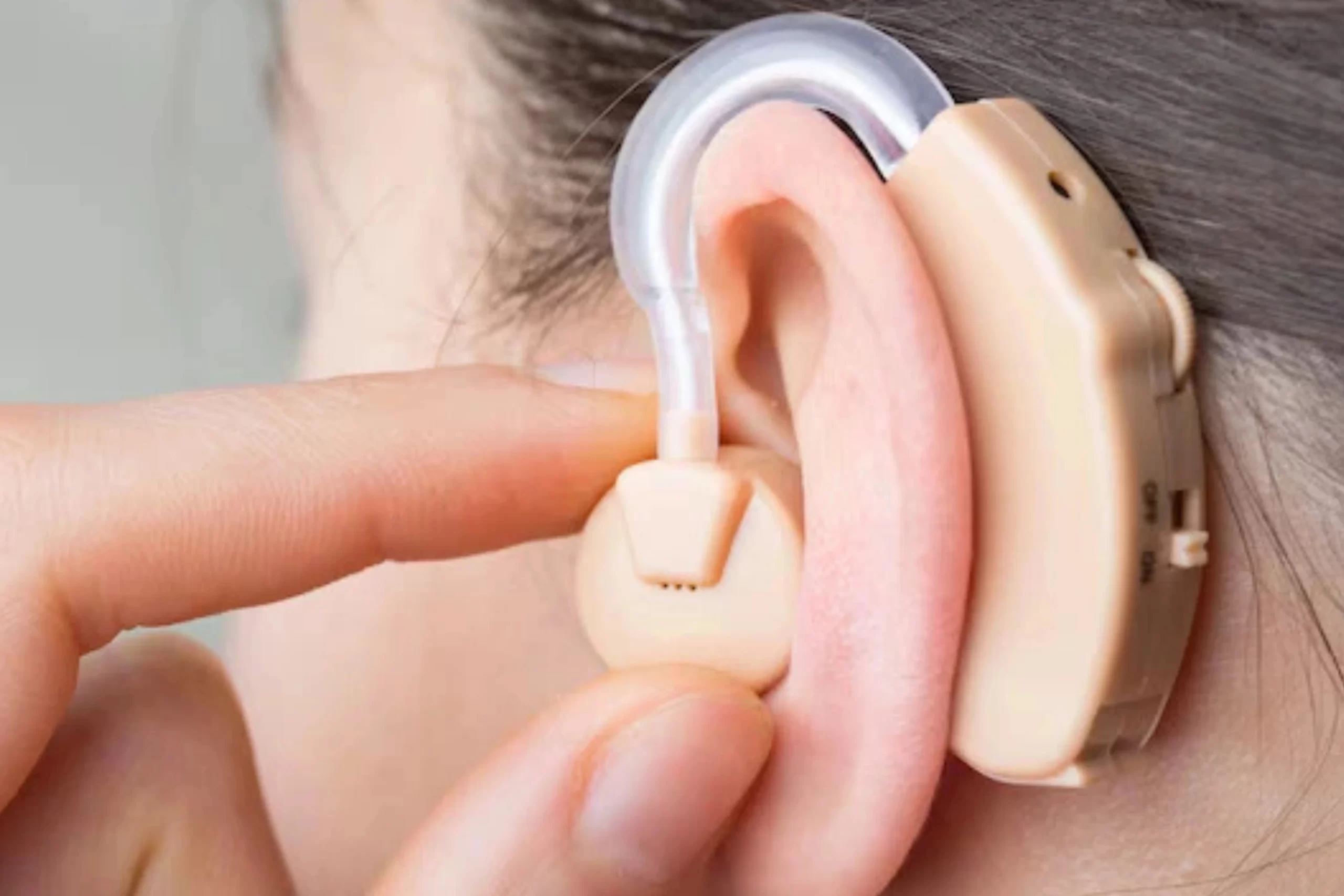
- You have hearing aids (they tend to build up wax)
- There are persistent symptoms of Tinnitus or Dizziness
An audiologist can use their tools to assess your ear health to diagnose whether earwax may be causing your symptoms or if there may be another condition affecting your hearing that requires intervention.
How to Stop Earwax from Building Up
- Cleaning the ear is a natural process, so you should
- Do not use Q-tips or cotton swabs in the ear
- Let the ear clean itself
- Maintain clean hearing aids
- If you tend to build ear wax, schedule an ear exam
- If your hearing specialist suggests an ear cleaning
Conclusion
Earwax performs a useful function and usually doesn’t need removal. Excessive earwax can build up and cause discomfort and loss of hearing, among other symptoms,s which need to be dealt with. It is best to see an audiologist when you have hearing changes or earwax buildup.
Hearing care professionals at San Hearing Clinic perform detailed ear assessments, safe earwax removal, audiology, and hearing care services. Regular hearing assessments help keep ears healthy and hearing clear.