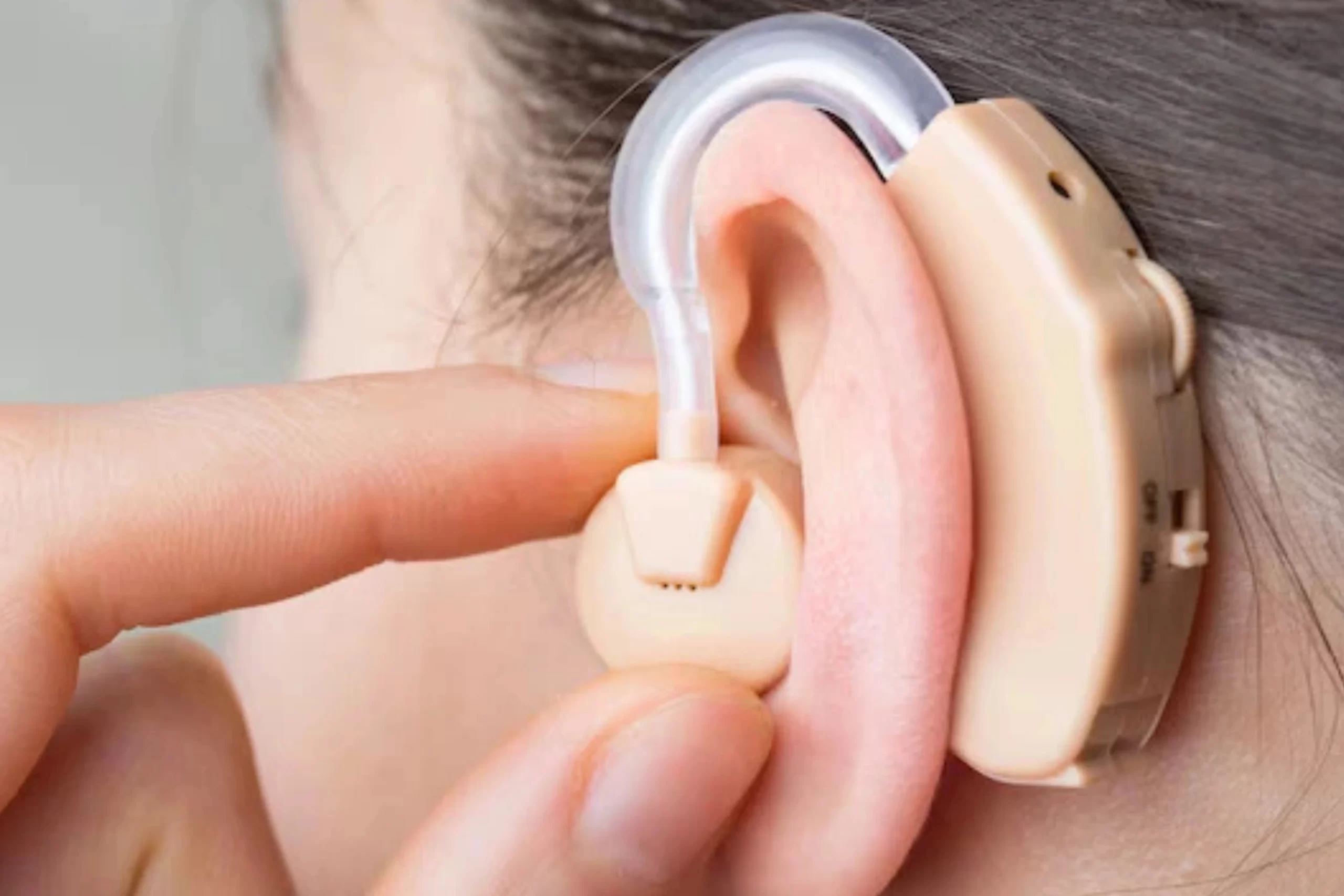

Hearing loss is a global health issue affecting millions of people. Yet, many hesitate to seek treatment because they believe hearing aids are expensive or difficult to use. The introduction of OTC (Over-the-Counter) hearing aids has made hearing care more accessible, offering consumers a wider range of options than ever before. However, an important question remains: should you choose OTC hearing aids or prescription hearing aids? Understanding the differences can help you make the right decision based on your hearing needs, lifestyle, and long-term comfort.
In this blog, we explore the key differences between OTC and prescription hearing aids to help you choose the best option for better hearing and improved quality of life.
What Are OTC Hearing Aids?
OTC hearing aids are devices that adults with mild to moderate hearing loss can purchase directly from stores or online without visiting an audiologist. They provide a convenient and affordable solution for basic hearing support.
Benefits of OTC Hearing Aids
- Affordable pricing: Significantly lower cost compared to prescription hearing aids
- Easy purchase: No hearing tests or professional consultation required
- Quick access: Available in retail stores or online with fast delivery
- User-controlled: Basic sound settings can be adjusted by the user
Limitations of OTC Hearing Aids
- Not suitable for severe or complex hearing loss
- Limited personalization and sound adjustment options
- Generic fitting may not provide optimal comfort or clarity
- Lack of professional guidance, follow-ups, and ongoing support
What Are Prescription Hearing Aids?
Prescription hearing aids are professionally fitted devices recommended by an audiologist after a comprehensive hearing test. They are suitable for mild to profound hearing loss and offer advanced sound clarity and customization.
Benefits of Prescription Hearing Aids
- Custom-fitted: Designed specifically for your ear and hearing profile
- Advanced technology: Includes noise reduction, Bluetooth connectivity, directional microphones, AI-based tuning, and rechargeable features
- Professional support: Includes hearing assessments, device programming, follow-ups, and adjustments
- Better long-term results: Greater comfort, improved clarity, and higher satisfaction
Limitations of Prescription Hearing Aids
- Higher initial cost compared to OTC devices
- Requires appointments and visits to a hearing specialist
Final Thoughts
Choosing between OTC and prescription hearing aids depends on the severity of your hearing loss and your long-term hearing goals. While OTC devices may work for mild cases, consulting an audiologist is essential for accurate diagnosis and the most effective solution.
Trusted providers like San Hearing & Speech Clinic offer expert hearing evaluations, personalized fittings, and advanced hearing aid solutions tailored to your lifestyle—ensuring you receive the best possible hearing care and long-term satisfaction.