
Hearing Test
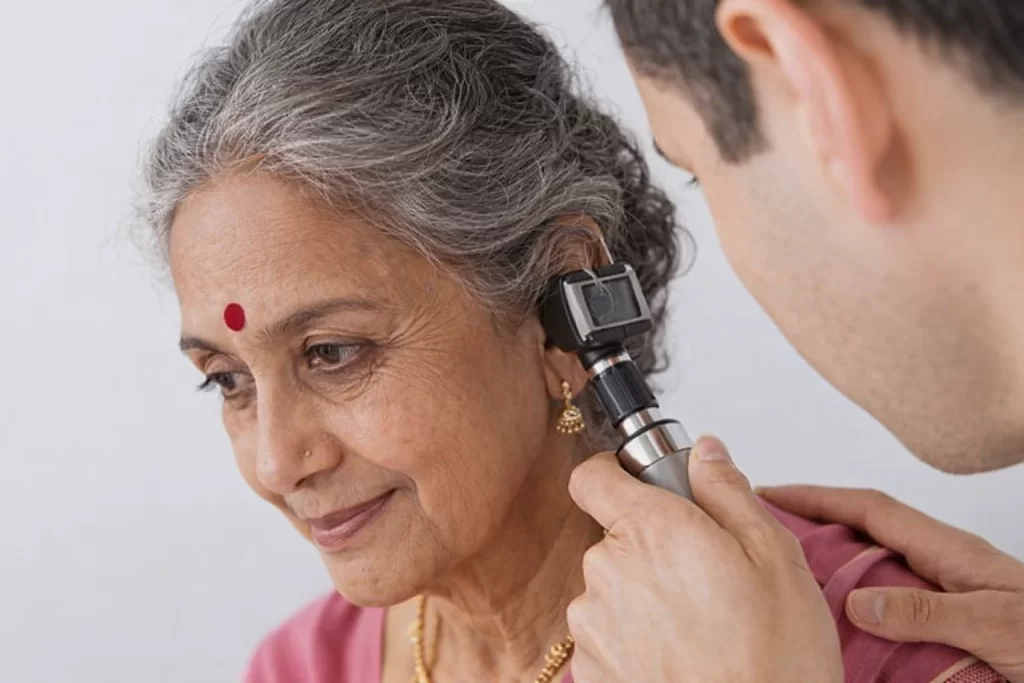
What Are Hearing Tests?
Hearing tests are a series of procedures used to assess hearing ability and identify hearing disorders. These tests help determine the type, degree, and configuration of hearing loss, enabling professionals to design a personalized rehabilitation plan for each individual.
Hearing evaluations are broadly classified into:
- Subjective Tests: Require active participation from the patient
- Objective Tests: Do not require active participation and are used for infants, children, or individuals unable to respond reliably
At trusted centers like San Hearing & Speech Clinic, these tests are conducted with precision to ensure accurate diagnosis and effective treatment planning.
Common Types of Hearing Tests
Subjective Tests:
- Tuning fork tests
- Pure tone audiometry
- Speech audiometry
- Short Increment Sensitivity Index
- Tone decay test
Objective Tests:
- Impedance audiometry
- Brainstem Evoked Response (BERA/ABR)
- Otoacoustic Emissions (OAE)
Who Should Take a Hearing Test?
Hearing evaluation is important for everyone at different stages of life. You should consider a hearing test if:
- Newborn screening is required
- You are above 40 years of age
- Family members notice changes in your hearing
- You are exposed to loud noise (e.g., fireworks, industrial noise)
- You work in noisy environments (construction, defense, etc.)
- You are on long-term medications or treatments
- You have been exposed to radiation or harmful chemicals
Why Should You Take a Hearing Test?
Hearing tests help evaluate your ability to hear and identify the severity of hearing loss. Based on the results, audiologists may recommend treatments such as hearing aids or other interventions.
Additional benefits include:
- Improved family relationships and communication
- Ability to hear everyday sounds like birds, conversations, and environmental cues
- Better social and professional interactions
- Early detection of underlying health conditions such as diabetes or cardiovascular issues
Signs You Need a Hearing Test
- Difficulty hearing in certain environments
- Others noticing changes in your hearing
- Ear pain, pressure, or discharge
- Ringing sounds in the ears (tinnitus)
- Family history of hearing loss
Types of Hearing Tests (Adults, Babies & Children)
- Pure-tone testing: Identifies the softest sounds you can hear
- Bone conduction testing: Checks inner ear function
- Speech testing: Measures speech understanding
- Auditory Brainstem Response (ABR): Evaluates brain and ear connection
- Otoacoustic Emissions (OAE): Assesses inner ear function, especially in babies
- Tympanometry: Examines middle ear and eardrum movement
Preparation for a Hearing Test
- Avoid exposure to loud noise before the test
- Ensure ears are clean
- Avoid testing during illness (cold/flu)
- Choose a convenient clinic location
- Bring a family member if needed
What to Expect During the Test
A hearing test is painless and typically takes around 30 minutes.
- You will wear earphones and listen to tones at different volumes and pitches
- You may be asked to repeat words during speech testing
- Tests are usually conducted in a soundproof room for accuracy
After Completing a Hearing Test: What’s Next?
1. Review Results:
Hearing levels are measured in decibels and categorized as mild, moderate, severe, or profound hearing loss.
2. Explore Treatment Options:
Depending on results, solutions like hearing aids or other treatments may be recommended.
3. Lifestyle Adjustments:
- Face the speaker during conversations
- Reduce background noise
- Sit closer in meetings or gatherings
- Practice active listening and ask for repetition when needed
4. Follow-Up Care:
Regular follow-ups ensure proper device adjustment and better outcomes.
5. Device Care & Maintenance:
- Clean hearing aids daily
- Avoid moisture and extreme temperatures
- Store properly when not in use
- Follow maintenance routines
Role of Audiologists
Audiologists are trained professionals who assess, diagnose, and manage hearing and balance disorders. They provide personalized care, recommend suitable treatments, and ensure better hearing outcomes.
With expert support from San Hearing & Speech Clinic, patients receive comprehensive hearing evaluations, customized treatment plans, and ongoing care to improve communication and overall quality of life.
Final Thoughts
Hearing tests are an essential step toward maintaining good hearing health. Early detection and timely intervention can prevent further complications and significantly improve daily life.
By choosing a trusted provider like San Hearing & Speech Clinic, you can ensure accurate diagnosis, expert guidance, and the right hearing solutions tailored to your needs.

Looking For Consultation?
At San Hearing & Speech Clinic, we make it easy to get expert care. Visit our clinic locator to book a hearing test or hearing consultation.