
Hearing Aids
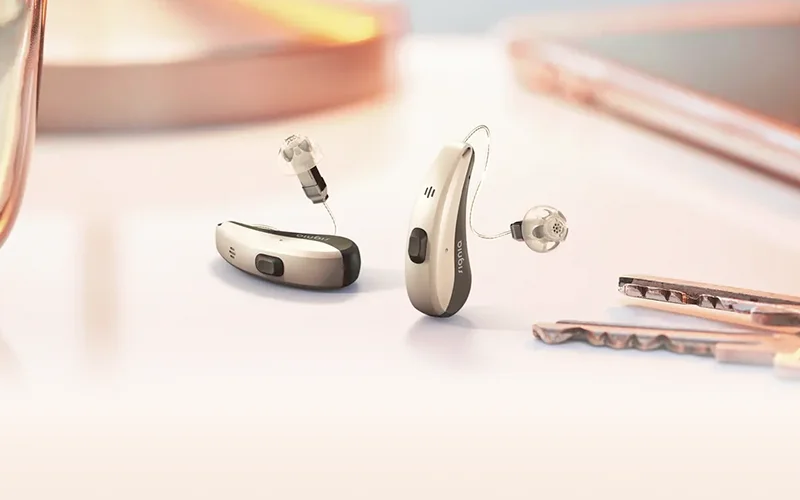
What Are Hearing Aids
Hearing aids are small electronic devices designed to amplify sound and help individuals hear better in both quiet and noisy environments. They can be customized to suit different types and degrees of hearing loss.
These devices typically include one or more microphones, an amplifier, and a receiver, along with advanced electronic components that filter noise and enhance speech clarity. Modern hearing aids not only improve hearing but also support overall brain health by keeping individuals socially active and mentally engaged. Studies suggest that consistent hearing support may help reduce the risk of conditions like dementia and Alzheimer’s disease.
Hearing loss can significantly impact communication, leading to social isolation, delayed language development in children, and frustration among older adults. Seeking timely support from experts like San Hearing & Speech Clinic can greatly improve quality of life.
How Hearing Aids Work
A hearing aid works using three main components:
- Microphone: Captures sound waves and converts them into electrical signals
- Amplifier: Increases the strength of these signals
- Receiver (Speaker): Sends the amplified sound into the ear
Hearing aids are broadly categorized into analogue (non-digital) and digital devices, with digital technology offering more advanced sound processing and customization.
Features of Hearing Aids
Modern hearing aids come with a wide range of advanced features:
- Noise Reduction: Reduces background noise while enhancing speech clarity
- Directional Microphones: Focus on sounds coming from specific directions, especially useful in noisy environments
- Rechargeable Batteries: Provide long-lasting power without frequent replacements
- Wireless Connectivity: Enables seamless connection with smartphones, TVs, and other devices
- Remote Controls: Allow easy adjustment of volume and settings
- Direct Audio Input: Connects directly to external devices for clearer sound
- Synchronization: Ensures both hearing aids work together for balanced hearing
Benefits of Using Hearing Aids
- Improved ability to hear sounds clearly
- Better communication with family, friends, and colleagues
- Enhanced listening in noisy environments
- Reduced stress and listening effort
- Lower risk of cognitive decline
- Overall improved quality of life
Types of Hearing Aids
Hearing aids are classified based on how they are worn:
1. Body Level Hearing Aids
These are older and more economical devices where components are housed in a single unit connected to an external receiver.
2. Ear Level Hearing Aids
- Behind-the-Ear (BTE): Most common and suitable for all ages and types of hearing loss
- Receiver-in-Canal (RIC/RITE): Smaller and less visible, with the receiver placed inside the ear canal
3. Canal Level Hearing Aids
- In-the-Ear (ITE): Custom-made and suitable for mild to severe hearing loss
- In-the-Canal (ITC), CIC, IIC: Smaller, more discreet options for mild to moderate hearing loss
Digital & Bluetooth Hearing Aids
Digital hearing aids convert sound into digital signals for better clarity and customization. They offer:
- Multiple listening modes
- Better noise filtration
- Improved speech understanding
- AI-based sound processing
- Wireless and Bluetooth connectivity
Bluetooth-enabled hearing aids allow users to connect directly with smartphones, TVs, and other devices, enhancing everyday communication and entertainment.
Choosing the Right Hearing Aid
Selecting the right hearing aid depends on several factors:
- Structure and condition of the ear
- Degree and type of hearing loss
- Lifestyle and daily listening needs
- Budget and personal preferences
Consulting a qualified audiologist is essential to ensure proper selection and fitting. At San Hearing & Speech Clinic, experts provide personalized evaluations and recommend solutions tailored to each individual’s needs.
Things to Do Before Buying Hearing Aids
- Get a professional hearing evaluation
- Consult a qualified audiologist
- Ask about trial periods
- Consider future hearing needs
- Check warranty and service support
- Plan your budget carefully
Adjusting to Hearing Aids
Adapting to hearing aids takes time. Users may initially experience increased awareness of sounds, and it may take time to fully understand speech clearly. Regular follow-ups and adjustments help improve the experience.
Tips for adjustment:
- Start in quiet environments
- Gradually move to noisier settings
- Take breaks when needed
- Attend follow-up visits
- Maintain and care for your device properly
Final Thoughts
Hearing aids are powerful tools that significantly improve communication, confidence, and overall well-being. While they may not restore normal hearing, they enhance the ability to engage with the world more effectively.
With expert guidance and advanced technology available at trusted centers like San Hearing & Speech Clinic, individuals can find the right hearing solution tailored to their lifestyle—leading to better hearing and a better quality of life.

Looking For Consultation?
At San Hearing & Speech Clinic, we make it easy to get expert care. Visit our clinic locator to book a hearing test or hearing consultation.